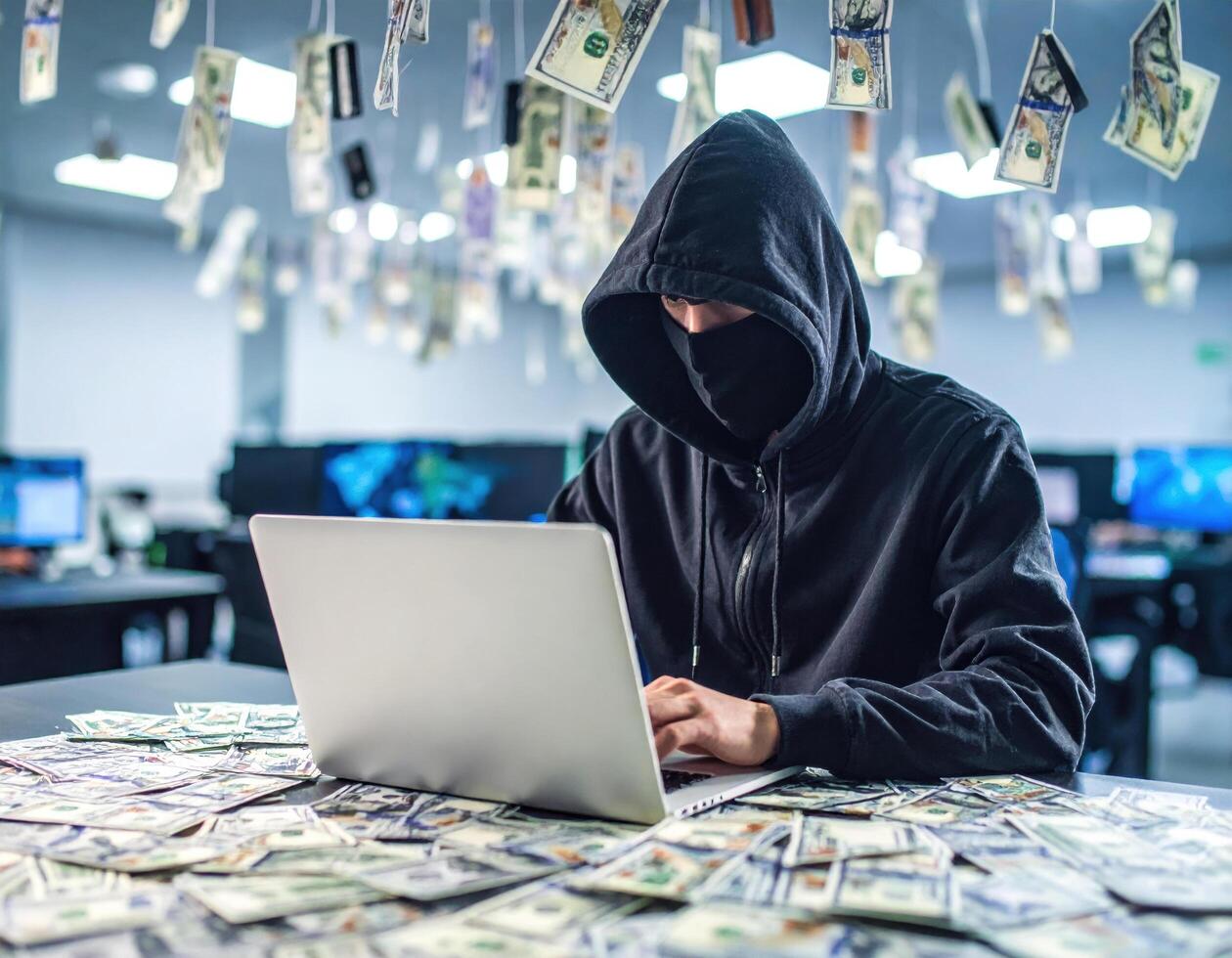
The Dark Side of Crypto Scams, Hacks, and Rug Pulls
Cryptocurrency has opened doors to innovation, decentralization, and financial freedom, but it also comes with risks that cannot be ignored. While the technology behind blockchain is secure, the ecosystem surrounding it is still developing, leaving room for exploitation. Investors and traders who enter the crypto space without knowledge often fall victim to scams, hacks, and rug pulls. Understanding these threats is essential to protect assets and avoid costly mistakes.
Why Crypto Attracts Scams
The decentralized nature of crypto gives users control over their funds, but it also means there is no central authority to reverse fraudulent transactions. Once your coins are stolen, they are almost impossible to recover. The rapid growth of the market, combined with limited regulations and the promise of high returns, creates the perfect environment for scammers to thrive.
Common Types of Crypto Scams
1. Ponzi and Pyramid Schemes
These schemes promise guaranteed high returns to early investors, funded by the money of new participants. Eventually, the structure collapses when new investments dry up, leaving most people with heavy losses.
2. Phishing Attacks
Phishing involves tricking users into revealing their private keys, seed phrases, or exchange login details. Scammers often send fake emails, create fraudulent websites, or impersonate support staff to steal sensitive information.
3. Fake Initial Coin Offerings (ICOs)
During the ICO boom, many fraudulent projects raised millions by selling tokens with no real product behind them. While ICOs are less common today, variations of this scam still appear in the form of fake presales and airdrops.
4. Pump-and-Dump Schemes
Organizers artificially inflate the price of a low-value coin by spreading hype. Once the price rises, they sell off their holdings, leaving unsuspecting investors with worthless tokens as the price crashes.
5. Romance and Social Media Scams
Scammers exploit trust by forming relationships through social media or dating apps, eventually convincing victims to invest in fake crypto platforms or send funds directly.
The Rise of Rug Pulls
A rug pull is a scam in which developers create a new project, attract investor funds, and then suddenly withdraw all liquidity, leaving investors with valueless tokens. Rug pulls have become especially common in decentralized finance (DeFi) and meme coin markets.
- Liquidity Rug Pulls: Developers drain liquidity pools after investors buy in, collapsing the token’s value.
- Code Exploits: Smart contracts are intentionally written with hidden functions allowing developers to mint unlimited tokens or disable withdrawals.
- Soft Rug Pulls: Instead of a complete exit, developers slowly sell off their holdings, creating continuous price declines.
Notable Crypto Hacks
Beyond scams, hacks remain a significant threat. Even well-known platforms have suffered devastating breaches:
- Mt. Gox (2014): Over 850,000 Bitcoin were stolen, collapsing what was then the world’s largest exchange.
- Coincheck (2018): Hackers stole over $500 million worth of NEM tokens.
- Poly Network (2021): More than $600 million was stolen in one of the largest DeFi exploits, though most funds were eventually returned.
- Ronin Bridge (2022): Hackers drained $600 million from the Axie Infinity ecosystem’s bridge network.
Why Rug Pulls and Hacks Keep Happening
There are several reasons why scams and hacks continue to plague the crypto industry:
- Lack of Regulation: Many countries are still developing legal frameworks for cryptocurrencies.
- Anonymous Teams: Developers often remain anonymous, making it difficult to hold them accountable.
- Investor FOMO: Fear of missing out leads people to invest in projects without due diligence.
- Technical Complexity: Most investors lack the knowledge to review smart contract code or spot vulnerabilities.
- Unsecured Platforms: New DeFi protocols may launch without proper audits, leaving them exposed to attacks.
How to Spot Potential Scams
While not all red flags are obvious, there are signs investors can look for to avoid becoming victims:
- Promises of “guaranteed” returns.
- Lack of a clear roadmap or whitepaper.
- Anonymous or unverifiable development teams.
- Smart contracts that have not been independently audited.
- Excessive hype on social media with little substance.
- Unrealistic yields offered in staking or lending platforms.
Protecting Yourself From Crypto Scams
- Always use reputable exchanges and wallets with strong security measures.
- Enable two-factor authentication (2FA) wherever possible.
- Verify URLs before entering login credentials or private information.
- Research projects thoroughly before investing; don’t rely solely on hype or influencer promotions.
- Spread investments across multiple assets instead of placing all funds in one project.
- Use hardware wallets for long-term storage instead of leaving funds on exchanges.
The Role of Regulation and Education
Governments and regulators worldwide are working to create guidelines for the crypto industry to protect investors from fraud. However, regulation alone cannot eliminate all risks. Investor education remains one of the most powerful defenses. Understanding how blockchain works, recognizing scams, and adopting security best practices are essential for anyone entering the crypto market.
The Balance of Opportunity and Risk
While scams and hacks highlight the dark side of crypto, they do not diminish the technology’s potential. Blockchain offers solutions to financial inclusion, faster payments, and decentralized governance. However, like any emerging market, it comes with challenges. Investors must balance opportunity with caution, adopting strategies that protect them while still participating in the innovation crypto offers.
FAQs
1. What is a rug pull in crypto?
A rug pull occurs when developers suddenly withdraw liquidity or abandon a project, leaving investors with worthless tokens.
2. How can I avoid crypto scams?
Avoid projects with unrealistic promises, verify team credentials, check for smart contract audits, and never share private keys.
3. Are all DeFi projects risky?
Not all DeFi projects are scams, but they carry higher risks. Choosing audited, established platforms reduces the chance of losses.